

Now Reading: Retailer’s Guide to Adding Fuel – 7 Eleven Case Study
-
01
Retailer’s Guide to Adding Fuel – 7 Eleven Case Study



Retailer’s Guide to Adding Fuel – 7 Eleven Case Study
Retailer guide adding fuel: The retail landscape is in a constant state of flux, a dynamic arena where businesses relentlessly seek new avenues for expansion and customer engagement. In recent years, a fascinating and increasingly prevalent trend has emerged: retailers are venturing into the fuel business. This isn’t just about convenience stores adding a pump; it’s a strategic maneuver by a diverse range of retail giants, from supermarkets to discount chains, to capture a larger share of consumer spending and solidify their market position. This shift signifies a new battleground for business growth, where the traditional lines between different retail sectors are blurring, and innovative strategies are paramount for success.
In this Guide to Adding Fuel, we will explore the various aspects of this trend, including its implications for retailers and consumers alike.
The motivations behind this convergence are multifaceted, driven by a complex interplay of consumer behavior, economic pressures, and technological advancements. Retailers are recognizing that the act of refueling a vehicle is often a necessity-driven trip, a captive moment in a consumer’s day that presents a unique opportunity for ancillary sales. By integrating fuel stations into their existing ecosystems, these retailers are not merely selling gasoline; they are selling convenience, loyalty, and a holistic shopping experience.
Retailer: The Strategic Imperative: Why Retailers Are Pumping Gas
Guide to Adding Fuel
The decision for a retailer to enter the fuel market is rarely a whimsical one. It’s a calculated move underpinned by several compelling strategic imperatives. Understanding these drivers is crucial to grasping the long-term implications of this trend.
Enhanced Customer Traffic and Dwell Time
One of the most immediate and tangible benefits of adding a fuel station is the significant increase in customer traffic. Fuel is a commodity that nearly every vehicle owner requires regularly. By offering fuel, retailers can attract a steady stream of customers who might not otherwise visit their stores. This increased footfall directly translates to a higher probability of impulse purchases inside the associated retail outlet. Imagine a shopper stopping for gas and then, while waiting for the tank to fill, deciding to pop into the adjacent supermarket for a forgotten item, a quick snack, or even their weekly groceries. This extended engagement, or dwell time, is invaluable. The longer a customer stays on the premises, the more opportunities there are for them to discover new products, take advantage of promotions, and ultimately, spend more money.
Consider the scenario of a large hypermarket. By integrating a fuel station, they can transform a quick fuel stop into a more comprehensive shopping excursion. Customers might fill up their tank, then head inside to do their grocery shopping, pick up prescriptions, or even browse electronics. This seamless transition is a powerful tool for maximizing customer lifetime value.
Building Customer Loyalty and Data Collection
In today’s competitive retail environment, customer loyalty is the holy grail. Fuel programs offer a powerful mechanism for cultivating this loyalty. Many retailers are integrating their fuel offerings with existing loyalty programs, allowing customers to earn points or discounts on fuel purchases, which can then be redeemed for in-store merchandise or future fuel discounts. This creates a virtuous cycle: the more a customer fuels up and shops at a particular retailer, the more rewards they accumulate, incentivizing them to return. This stickiness is crucial for retaining market share.
Beyond direct rewards, fuel purchases provide a rich source of customer data. By linking fuel transactions to loyalty cards, retailers can gain valuable insights into consumer behavior. This data can include:
- Frequency of visits: How often do customers refuel?
- Average spend: How much do they spend on fuel and in-store?
- Preferred fuel type: Are they buying regular, premium, or diesel?
- Time of day/week for purchases: When are they most likely to fuel up?
- Correlation between fuel and in-store purchases: What products do they buy after fueling?
This wealth of information allows retailers to personalize marketing efforts, offer targeted promotions, and optimize their product assortments. For instance, if data reveals that customers who buy premium fuel often also purchase gourmet coffee, the retailer can strategically place coffee promotions near the fuel pumps or offer bundle deals.
Diversification of Revenue Streams
Relying solely on traditional retail sales can be risky, especially in an era of shifting consumer preferences and economic volatility. By adding fuel sales, retailers are effectively diversifying their revenue streams. While profit margins on fuel itself can be notoriously thin, the sheer volume of transactions can contribute significantly to the overall bottom line. More importantly, the fuel business acts as a loss leader in many instances, drawing customers in who then spend money on higher-margin items inside the store. This diversification provides a buffer against fluctuations in any single retail category, making the business more resilient.
Furthermore, the fuel infrastructure itself can become a source of additional revenue. Think about opportunities for car washes, air pumps, and even electric vehicle charging stations. As the automotive industry evolves, retailers with existing fuel infrastructure are well-positioned to adapt and offer new services, further solidifying their role as comprehensive mobility hubs.
Leveraging Existing Infrastructure and Brand Recognition
For established retailers, entering the fuel business often involves leveraging existing infrastructure and strong brand recognition. They already possess prime real estate locations, often with ample parking and easy access, which are ideal for fuel stations. The cost of acquiring new land and building from scratch can be prohibitive, but utilizing existing sites significantly reduces the initial investment.
Moreover, the power of an established brand cannot be overstated. Consumers are already familiar with and trust brands like Walmart, Tesco, or Kroger. When these retailers add fuel, customers are more likely to try their pumps because of that existing trust and familiarity. This brand halo effect provides a significant competitive advantage over independent gas stations or lesser-known fuel brands. It also simplifies marketing efforts, as the fuel offering can be seamlessly integrated into existing brand campaigns.
Who’s Pumping What: A Look at the Retailers Leading the Charge
The movement of retailers into the fuel sector is not confined to a single type of business. It’s a broad phenomenon encompassing various retail formats, each adapting the strategy to their unique business model and customer base.
Supermarkets and Hypermarkets
Perhaps the most prominent players in this trend are supermarkets and hypermarkets. Chains like Walmart, Kroger, Tesco, Carrefour, and Sainsbury’s have long recognized the synergy between grocery shopping and fuel purchases. They often operate fuel stations directly adjacent to their main stores, offering competitive fuel prices as an incentive for customers to do their weekly grocery shop. The convenience of a “one-stop shop” for both essentials and fuel is a powerful draw for busy consumers.
- Kroger Fuel: A prime example in the US, Kroger offers fuel points that can be redeemed for discounts at their fuel centers, directly linking grocery spending to fuel savings.
- Tesco Petrol Filling Stations: In the UK, Tesco has an extensive network of petrol stations, often integrated with their larger Extra stores, providing a comprehensive shopping experience.
- Walmart Gas Stations: Walmart’s strategy often involves offering competitive fuel prices to drive traffic to their supercenters, leveraging their massive scale to negotiate favorable fuel supply deals.
These retailers understand that the fuel purchase, while low-margin, acts as a powerful footfall driver for their higher-margin grocery and general merchandise sales.
Discount Retailers
Even discount retailers are getting in on the action. While perhaps less common than with supermarkets, some discount chains are exploring fuel as a way to enhance their value proposition. The focus here is typically on offering ultra-competitive fuel prices to attract price-sensitive consumers, who then might be enticed to browse the discount store for bargains. This aligns perfectly with their core value proposition of providing low prices across the board.
Wholesale Clubs
Wholesale clubs like Costco and Sam’s Club have been pioneers in integrating fuel into their membership model. Their fuel stations are a significant draw, often featuring some of the lowest fuel prices in the market, exclusively for members. This strategy reinforces the value of their membership, encouraging renewals and attracting new members. The long lines at Costco gas pumps are a testament to the success of this model. Members are willing to wait for the significant savings, and while they wait, they are reminded of the value their membership provides, potentially leading to additional in-store purchases.
- Costco Wholesale: Renowned for its low-priced fuel, often a major incentive for membership.
- Sam’s Club Fuel: Similar to Costco, Sam’s Club leverages fuel savings to enhance its membership offering and drive traffic.
Online Retailers (Indirect Involvement)
While online retailers like Amazon aren’t directly pumping gas, their influence on the retail landscape is undeniable. Their focus on speed and convenience sets a new standard that traditional retailers must strive to meet. In a sense, the move by brick-and-mortar retailers into fuel is a response to this challenge – an attempt to offer a level of convenience that online shopping cannot replicate (yet). There’s also an interesting indirect play: Amazon Lockers and other pickup points are increasingly found at convenience stores and gas stations, blurring the lines between online and offline retail and highlighting the importance of physical touchpoints for last-mile delivery.
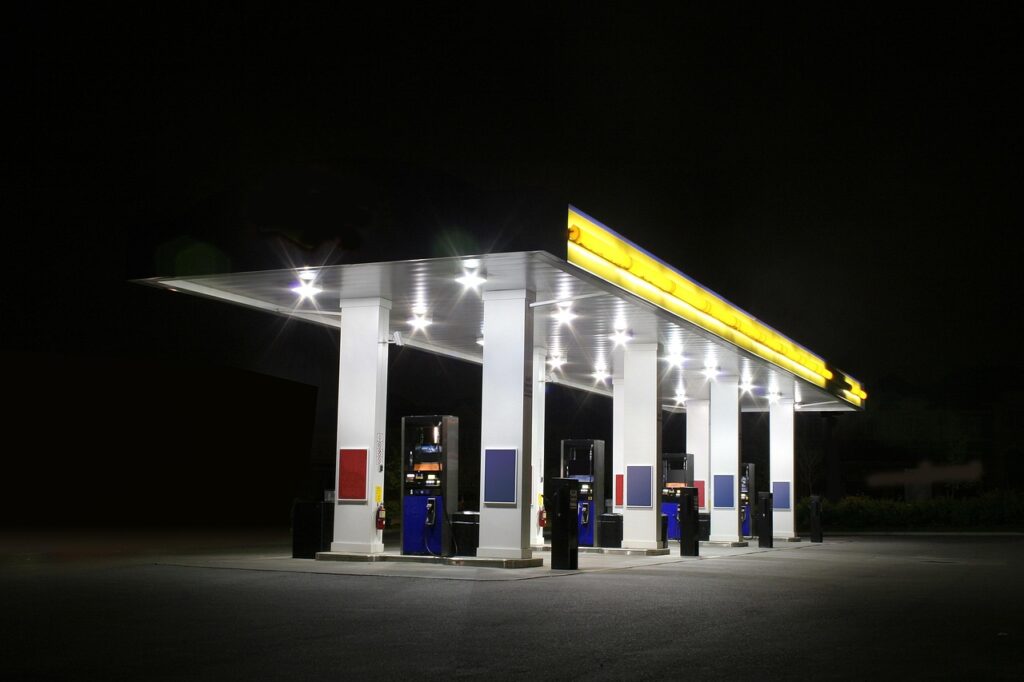
The Operational Complexities and Challenges
While the strategic benefits are clear, entering the fuel business is not without its challenges. Retailers must navigate a complex web of operational, regulatory, and competitive hurdles.
Regulatory Compliance and Environmental Concerns
Operating a fuel station involves stringent regulatory compliance. This includes adherence to environmental protection laws, safety regulations for storing and dispensing flammable liquids, and local zoning ordinances. Obtaining permits, conducting regular inspections, and ensuring proper waste disposal are ongoing responsibilities that require specialized knowledge and investment. Environmental concerns, such as potential groundwater contamination from leaking tanks, are significant liabilities that retailers must mitigate through robust infrastructure and monitoring systems.
Infrastructure Investment and Maintenance
The initial capital investment required to build or acquire a fuel station can be substantial. This includes the cost of underground storage tanks, pumps, canopies, payment systems, and safety equipment. Furthermore, ongoing maintenance of this infrastructure is critical. Pumps need regular calibration, tanks require monitoring, and forecourts need to be kept clean and well-lit. The depreciation of equipment and the need for periodic upgrades to meet evolving standards (e.g., EMV compliance for payment terminals) add to the operational costs.
Fuel Price Volatility and Supply Chain Management
The price of fuel is notoriously volatile, influenced by global geopolitical events, crude oil prices, and supply and demand dynamics. Retailers entering this market must develop sophisticated supply chain management strategies to ensure a consistent and cost-effective supply of fuel. This involves negotiating contracts with fuel distributors, managing inventory levels, and hedging against price fluctuations. The ability to offer competitive fuel prices while maintaining profitability is a constant balancing act.
Competition and Margin Pressures
The fuel market is highly competitive, with thin profit margins on the fuel itself. Retailers entering this space are competing not only with traditional gas stations but also with other retailers who have already established a presence. This intense competition can lead to price wars, further squeezing margins. The key to success often lies in leveraging the fuel offering to drive sales of higher-margin convenience store items or general merchandise, rather than relying solely on fuel profits.
Staffing and Training
Operating a fuel station requires specialized staff training in areas such as hazardous materials handling, safety protocols, and payment processing specific to fuel transactions. Ensuring adequate staffing levels, especially during peak hours, and maintaining a high level of customer service at the pumps are crucial for a positive customer experience.
The Future of Fuel and Retail: What’s Next?
The integration of fuel and retail is not a static phenomenon; it’s an evolving trend that will continue to adapt to technological advancements, changing consumer preferences, and environmental imperatives.
Electric Vehicle Charging Integration
The rise of electric vehicles (EVs) presents both a challenge and an opportunity for retailers in the fuel business. As the automotive industry shifts towards electrification, demand for traditional fossil fuels will eventually decline. Forward-thinking retailers are already investing in EV charging infrastructure at their sites. This allows them to future-proof their operations and continue to serve the evolving mobility needs of their customers. Offering fast-charging stations can attract a new segment of environmentally conscious consumers and extend the dwell time even further, as EV charging typically takes longer than a quick fuel stop.
- Strategic placement: EV chargers can be strategically placed near cafes or seating areas to encourage in-store purchases during charging sessions.
- Loyalty integration: EV charging can be integrated into existing loyalty programs, offering points or discounts.
- Partnerships: Collaborations with EV charging network providers can accelerate deployment and reduce upfront costs.
Enhanced Technology and Automation
Technology will play an increasingly vital role in optimizing fuel retail operations. This includes:
- Mobile payment solutions: Allowing customers to pay for fuel directly from their smartphones, streamlining the transaction process.
- AI-driven pricing: Using artificial intelligence to dynamically adjust fuel prices based on real-time market conditions, competitor pricing, and demand.
- Predictive maintenance: Employing sensors and data analytics to anticipate equipment failures, reducing downtime and maintenance costs.
- Personalized offers at the pump: Leveraging customer data to display targeted promotions for in-store items on pump screens.
The goal is to create a frictionless and personalized customer experience, making the fuel stop as quick and convenient as possible, while simultaneously maximizing opportunities for additional sales.
Focus on Convenience and Experience
As competition intensifies, the focus will shift beyond just competitive pricing to offering a superior convenience and experience. This means:
- Clean and well-maintained facilities: A clean forecourt, well-stocked convenience store, and spotless restrooms can significantly enhance the customer experience.
- Expanded convenience store offerings: Moving beyond basic snacks to include fresh food options, gourmet coffee, and even small grocery selections.
- Integrated services: Offering services like package pickup/drop-off, lottery tickets, and ATM access to further enhance the “one-stop shop” appeal.
- Digital engagement: Using apps to pre-order items for pickup at the fuel station or to receive personalized offers.
The fuel station of the future will increasingly resemble a micro-retail hub, catering to a wide range of consumer needs beyond just filling up the tank.
Sustainability and Alternative Fuels
Beyond EVs, retailers may also explore other alternative fuels as part of their sustainability initiatives. This could include offering biofuels, hydrogen, or even advanced renewable fuels as they become more viable. Positioning themselves as environmentally responsible providers can resonate with a growing segment of consumers who prioritize sustainability. This also aligns with broader corporate social responsibility goals and can enhance brand reputation.
The Broader Implications for the Retail Sector
The trend of retailers entering the fuel business has significant implications for the broader retail sector, reshaping competitive dynamics and forcing traditional players to adapt.
Increased Competition for Traditional Gas Stations
The entry of large, well-resourced retailers into the fuel market intensifies competition for traditional, independent gas stations. These smaller players often lack the scale and diversified revenue streams to compete solely on price. They will need to innovate by focusing on niche offerings, superior customer service, or unique convenience store assortments to survive and thrive.
Blurring of Industry Lines
This trend further blurs the lines between different retail sectors. A supermarket is no longer just a place to buy groceries; it’s also a fuel provider, a coffee shop, and potentially an EV charging hub. This convergence means that retailers must think more holistically about their customer journey and how different services can be integrated to create a seamless and valuable experience. It also means that competitors might emerge from unexpected places.
Evolution of the Convenience Store Model
The traditional convenience store, often co-located with a gas station, is undergoing a transformation. To remain relevant, these stores are expanding their offerings beyond basic snacks and drinks to include healthier food options, fresh produce, and even prepared meals. They are becoming more sophisticated mini-marts, leveraging the captive audience at the pumps to drive higher-margin sales. The future of the convenience store is inextricably linked to its ability to adapt to changing consumer demands and integrate new technologies.
Importance of Data and Personalization
The fuel business, when integrated with loyalty programs, provides an unprecedented amount of data on consumer behavior. This reinforces the critical importance of data analytics and personalization across the entire retail spectrum. Retailers who can effectively collect, analyze, and act upon this data will have a significant competitive advantage in understanding their customers and tailoring their offerings.
In conclusion, the phenomenon of retailers fueling up is far more than a fleeting trend; it represents a fundamental shift in retail strategy. Driven by the desire to increase traffic, build loyalty, diversify revenue, and leverage existing assets, a wide array of retailers are embracing the fuel business as a critical component of their growth strategy. While operational complexities and intense competition present challenges, the long-term benefits of enhanced customer engagement and a more resilient business model are compelling. As the retail landscape continues to evolve, we can expect to see even greater integration of services, technological innovation, and a relentless focus on delivering a holistic and convenient experience for the modern consumer. The battle for business growth is increasingly being fought at the pump, and only those retailers who adapt and innovate will emerge victorious in this dynamic new battleground.
📚 Artículos Relacionados:
- Streamline Your Finances: Discover the Best Finance & Accounting Tools
- Top AI & Automation Tools for Business Efficiency
- Email Marketing Tools for Business