

Now Reading: Mark Zuckerberg: Connecting the World – The Story Behind Facebook’s Rise
-
01
Mark Zuckerberg: Connecting the World – The Story Behind Facebook’s Rise

Mark Zuckerberg: Connecting the World – The Story Behind Facebook’s Rise

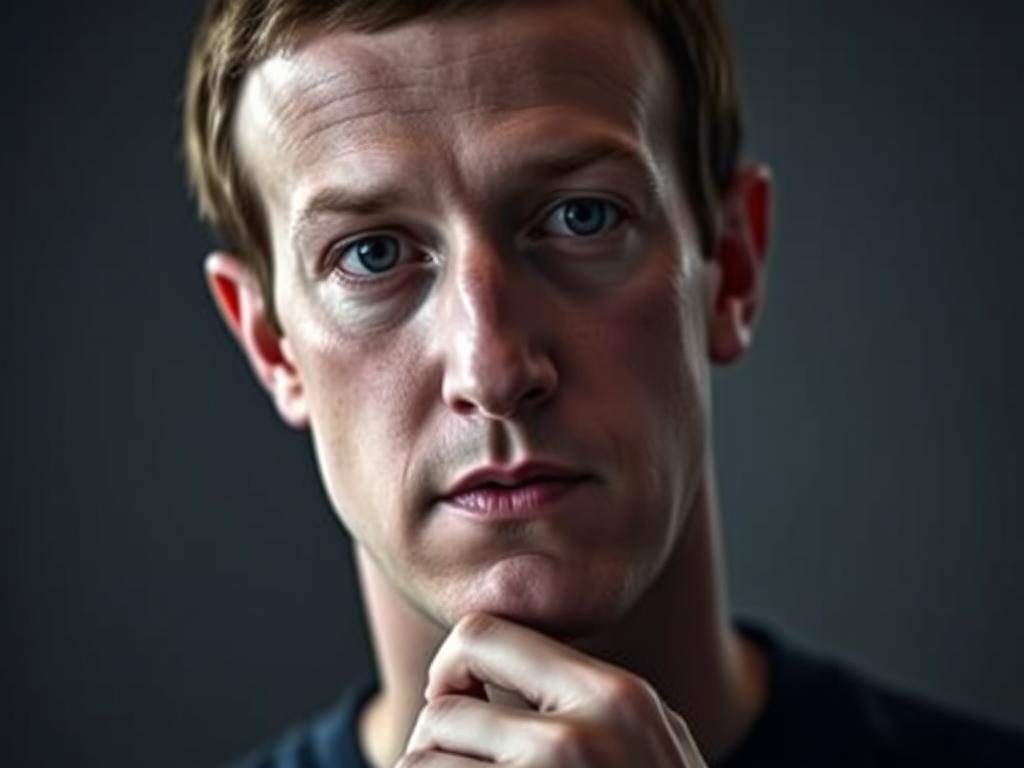
Mark Zuckerberg: Connecting the World – The Story Behind Facebook’s Rise
Mark zuckerberg connecting world: Can a college dorm room start a global social media phenomenon? For Facebook CEO, the answer is yes. Facebook started in 2004 and changed how we connect and interact.
Understanding Mark zuckerberg connecting world is crucial for success. Facebook has deeply changed our world. It has changed how we talk, share, and build communities. As a social media entrepreneur, the founder has greatly influenced our digital world.
When implementing mark zuckerberg connecting world, This article tells the story of Facebook’s success. It looks at the key moments, challenges, and wins that shaped the company.
Mark – Mark: Mark: Key Takeaways
- The story of Facebook’s rise shows the power of new ideas and hard work.
- The Facebook CEO has been key in the platform’s growth.
- As a social media entrepreneur, the founder faced many hurdles.
- Facebook’s effect on global communication and sharing has been huge.
- The company’s journey offers lessons for entrepreneurs and business fans.
Mark: Mark: The Birth of a Digital Revolution
Mark Zuckerberg’s Facebook changed how we connect online. It started in a Harvard dorm and grew worldwide. As a tech industry leader, Zuckerberg’s work has deeply influenced social media and more.
Mark – Mark: Redefining Human Connection in the 21st Century
Facebook changed how we interact and share. As an Internet innovator, Zuckerberg made a platform that was easy to use and fun. It quickly became popular by connecting people with similar interests.
The site’s reach went beyond personal connections. It affected businesses, politics, and social movements. As a Silicon Valley executive, Zuckerberg faced challenges but kept Facebook innovative.
Mark – From Harvard Dorm to Global Influence: The Journey Overview
In 2004, Mark Zuckerberg and his friends launched “Thefacebook” at Harvard. It was meant for Harvard students only.
But it quickly grew to other colleges and then worldwide. This fast growth showed Zuckerberg’s vision and leadership. It made Facebook a top social media platform globally.
The story of Facebook’s rise is a tale of innovation, hard work, and smart growth. It’s a key part of the digital revolution of the 21st century.
Mark: Early Years: The Making of Mark Zuckerberg
Mark Zuckerberg’s journey to becoming a tech giant started in Dobbs Ferry, New York. This time was key in shaping his path as a tech entrepreneur.
Mark – Childhood in Dobbs Ferry
In Dobbs Ferry, Mark Zuckerberg was surrounded by different influences. His dad, Edward Zuckerberg, was a dentist, and his mom, Karen Zuckerberg, was a psychiatrist. This mix likely helped him think broadly and analyze well.

Mark – Family Influences and Early Character Formation
Mark’s family was a big part of who he became. He was the second of four kids, and they supported his love for computers. His dad taught him Atari BASIC Programming, and he later used “Synapse,” a software he would later outshine.
| Family Member | Influence on Mark |
|---|---|
| Edward Zuckerberg (Father) | Taught Mark Atari BASIC Programming |
| Karen Zuckerberg (Mother) | Supported Mark’s early interest in computers |
These early influences helped shape Mark’s skills and his desire to help others. As a philanthropist, Mark’s early life set the stage for his future contributions.
Mark: Educational Foundations and Formative Experiences
Mark Zuckerberg’s education was key in shaping his future as Facebook CEO. He attended top schools, which sharpened his tech skills and sparked his creativity.
Mark – Phillips Exeter Academy: Developing Technical Skills
At Phillips Exeter Academy, Mark Zuckerberg built a strong programming base. He created software programs, like “ZuckNet,” a messaging tool for his family. This early work showed his talent in making functional software.
- Developed a messaging tool called “ZuckNet”
- Demonstrated early programming skills
- Showcased ability to create functional software
Mark – Harvard University: The Intellectual Playground
At Harvard University, Mark Zuckerberg was among the best, encouraging innovation and creativity. He took courses in computer science, boosting his tech skills.
- Studying computer science and related fields
- Creating Facemash, a precursor to Facebook
- Engaging with a community of like-minded individuals
These educational experiences were crucial in making Mark Zuckerberg the social media entrepreneur he is today.
Mark: First Digital Ventures: Seeds of Innovation
Mark Zuckerberg’s early digital projects were the start of his innovative journey. As a teenager, he showed a strong interest in programming. This led to several early ventures that highlighted his potential as an Internet innovator.
Mark – Synapse Media Player: Early Programming Success
Mark Zuckerberg’s first big project was the Synapse Media Player. It was a music player that used AI to learn what users liked. Released in 1998, it caught the eye of tech fans and media, making Zuckerberg a rising star in tech.
This success was the foundation for his future projects.
Mark – CourseMatch: Solving Campus Problems
At Harvard, Zuckerberg worked on CourseMatch. It helped students choose courses based on what their peers liked. This project showed Zuckerberg’s knack for solving real problems, a skill he would use throughout his career as a Tech industry leader.

Mark – Facemash: Controversy and Lessons Learned
Zuckerberg’s next project, Facemash, was known for its controversy. It compared photos of two students and let users vote on who was more attractive. Facemash was a hit but also sparked outrage over privacy concerns.
This experience taught Zuckerberg the importance of balancing innovation with user trust. It was a lesson he would face again and again as a Silicon Valley executive.
Zuckerberg’s early ventures were key in shaping his tech and entrepreneurial approach. They showed his technical skills and taught him about user engagement, privacy, and technology’s impact on society.
Mark: The Facebook Genesis: From Concept to Creation
In the early 2000s, Mark Zuckerberg saw a big gap in the market. He was a sophomore at Harvard University. He knew college students needed a better way to connect online.
Mark – The Original Vision and Market Gap
Zuckerberg wanted to make a site for Harvard students to share and connect. At that time, other sites didn’t meet college needs. So, he aimed to fill this gap with Facebook.
As a social media entrepreneur, Zuckerberg wanted to change online connections. He worked hard to make Facebook easy to use and strong for growing users.
Mark – Assembling the Founding Team
Zuckerberg wasn’t alone in his vision. He was joined by talented Harvard students like Eduardo Saverin and Andrew McCollum. Dustin Moskovitz and Chris Hughes also joined, bringing different skills.
Zuckerberg, a Harvard dropout, took a big risk to focus on Facebook. But it paid off. Facebook became a huge success, with Zuckerberg as Facebook CEO.
Mark: Scaling the Platform: Breaking Through Barriers
Scaling Facebook from a college project to a global phenomenon was tough. It faced many obstacles, like technical problems and money issues, as it grew.

Mark – Campus-by-Campus Expansion Strategy
Facebook started by focusing on college campuses. It targeted students at universities and colleges. This strategy helped Facebook build a strong base by connecting with students in schools.
By focusing on one campus at a time, Facebook could improve its platform. It could fix technical problems and make the site easy to use. This made it popular among young people.
This approach also helped Facebook grow through word of mouth. It became a top social media site among young adults. This helped it spread fast.
Mark – Securing Critical Early Funding
Getting money early was key for Facebook’s growth. It helped the company invest in things like servers and talent. Mark Zuckerberg attracted investors, like tech industry leader Peter Thiel, to get this money.
This money was crucial for Facebook to grow fast. It helped solve problems like server issues and privacy concerns. As a Silicon Valley executive, Mark Zuckerberg’s success with Facebook made him more famous in tech. His growing Zuckerberg net worth helped him invest in Facebook’s growth.
Mark: Mark Zuckerberg’s Leadership Philosophy
Mark Zuckerberg’s leadership style is key to understanding Facebook’s culture and innovations. As Facebook’s CEO, he has made the platform a global social media giant.
Zuckerberg believes in innovation and taking risks. His famous saying, “Move fast and break things,” shows this. It’s both praised and criticized, as it pushes for quick development but can lead to errors.
Mark – “Move Fast and Break Things”: The Innovation Mindset
Facebook started with the “move fast and break things” approach. It encouraged employees to be bold and think differently. This helped Facebook innovate quickly and outpace rivals.
Innovation is central to Zuckerberg’s leadership. By valuing creativity and trying new things, Facebook has grown beyond just social networking.
Mark – Building a Mission-Driven Organization
Zuckerberg stresses the need for a clear mission. Facebook aims to help people connect and bring the world closer. This mission guides their product development and community work.
His mission-driven approach helps align the company’s efforts. It creates a focused and unified work environment.
Mark – Management Style and Decision-Making Approach
Mark Zuckerberg is known for his hands-on management. He’s deeply involved in major decisions. He works closely with teams from engineering to product management.
Zuckerberg bases his decisions on data and feedback. He listens to employees, users, and experts. This way, he makes choices that meet different needs.
As an Internet innovator and philanthropist, Zuckerberg’s influence goes beyond Facebook. His efforts to use tech for good are seen in his philanthropy, like the Chan Zuckerberg Initiative.
Mark: Navigating Challenges on the Path to Dominance
Mark Zuckerberg and Facebook faced many legal, ethical, and social hurdles on their way to the top. As they grew, they had to overcome many obstacles. These tests showed their strength and ability to change.

Mark – Legal Battles and Ownership Disputes
Facebook had to deal with several legal issues, like lawsuits from old classmates. They claimed Zuckerberg took their social networking idea. These fights were big, affecting money and Facebook’s image.
The company solved these problems through talks and settlements. For example, Facebook paid the Winklevoss twins $65 million. This deal helped Facebook avoid long, costly lawsuits that could have slowed it down.
Mark – Privacy Concerns and Public Scrutiny
As Facebook grew, it faced more questions about privacy. People worried about how the company used their data. The Cambridge Analytica scandal in 2018 was a big deal, leading to lots of media and government attention.
To fix these issues, Facebook made changes to protect user privacy. Mark Zuckerberg spoke to Congress, promising to be more open and responsible. The company also added new privacy features to let users control their data.
In the end, Facebook’s path to success was filled with big challenges. But by facing these problems, the company showed it could grow and change in a fast-paced tech world.
Mark: Beyond Social Media: Building a Digital Empire
Mark Zuckerberg had big plans for Facebook. He wanted it to be more than just a social network. He dreamed of a platform that could connect people in many ways.
Mark – Strategic Acquisitions: Instagram, WhatsApp, and Oculus
Facebook grew by buying popular apps and tech. In 2012, it bought Instagram for $1 billion. This move helped Facebook reach more people and improve its mobile features.
In 2014, Facebook bought WhatsApp for $19 billion. This deal made Facebook a big player in global messaging. The same year, it also bought Oculus VR, a company that made virtual reality technology.
- Instagram expanded Facebook’s reach in the mobile photo and video-sharing space.
- WhatsApp enhanced Facebook’s messaging capabilities globally.
- Oculus VR positioned Facebook at the forefront of virtual reality technology.
Mark – The Meta Transformation and Future Vision
In 2021, Mark Zuckerberg changed Facebook’s name to Meta. This move showed a big change in the company’s direction. Meta wants to create a new kind of internet, called the metaverse.
The metaverse is a virtual world that’s more interactive and connected. Meta aims to bring people together and help them express themselves in new ways.
As an Internet innovator, Zuckerberg is leading Meta into this new world. The company is working on VR and AR tech to make online experiences better.
Key aspects of Meta’s future vision include:
- Developing advanced VR and AR technologies to enhance online interactions.
- Fostering a more interconnected and immersive online environment.
- Promoting community building and social interaction in the metaverse.
Meta’s shift towards the metaverse is a bold move. It makes Facebook a leader in the next generation of the internet.
Mark: Philanthropy and Global Impact
Mark Zuckerberg has done more than just build Facebook. He has also made a big impact through global philanthropy. He uses technology to tackle big social problems.
Mark – The Chan Zuckerberg Initiative: Approach to Giving
The Chan Zuckerberg Initiative (CZI) is a big deal in philanthropy. It was started by Mark Zuckerberg and Priscilla Chan. CZI works on big issues like education, science, and justice.
They use grants, research, and advocacy to make a difference. They focus on making education better and getting more people into science and tech.
- Supporting education through personalized learning initiatives
- Advancing science and technology for public benefit
- Promoting justice and equality through policy and advocacy
Mark – Internet.org and Digital Inclusion Efforts
Internet.org, now called Free Basics, is another big project by Mark Zuckerberg. It aims to get more people online worldwide.
He wants to make the internet available to everyone. This could help people in poor areas get better jobs and improve their lives. But, not everyone agrees with this idea.
Mark Zuckerberg is known for his big heart and his efforts to change the world. He uses his money and influence to help people everywhere.
Mark: 7 Entrepreneurial Lessons from Zuckerberg’s Journey
Mark Zuckerberg, a Harvard dropout, became a tech leader. His story teaches entrepreneurs key lessons. He shows how to build a business by solving real problems and keeping innovation and trust balanced.
Mark – Solve Real Problems That Matter
Zuckerberg’s success with Facebook came from solving a real campus need. Entrepreneurs should focus on solving problems that matter to their audience.
Mark – Prioritize Long-term Vision Over Short-term Gains
Zuckerberg chose long-term growth over quick profits. Entrepreneurs should also aim for sustainable growth, not just quick wins.
Mark – Build Strong Teams and Partnerships
Facebook’s early success came from a talented team and strategic partnerships. Entrepreneurs should build a strong network to drive their business.
Mark – Embrace Failure as a Learning Opportunity
Zuckerberg faced many challenges, from legal battles to public scrutiny. Entrepreneurs can learn from his ability to adapt and grow from these experiences.
Mark – Stay Adaptable in Changing Markets
The tech industry changes fast. Zuckerberg’s success in adapting to these changes is a valuable lesson in staying flexible and responsive.
Mark – Maintain Control of Your Company’s Direction
As Facebook grew, Zuckerberg faced challenges to his leadership. Entrepreneurs can learn from his determination to keep control and steer the company his way.
Mark – Balance Innovation with User Trust
Zuckerberg’s journey shows the importance of balancing innovation with user trust. Entrepreneurs must find this balance to keep a loyal customer base.
In conclusion, Mark Zuckerberg’s entrepreneurial journey offers many lessons for business leaders. By learning from his experiences, entrepreneurs can better navigate the challenges of building a successful company in the tech industry.
Mark: Conclusion: The Ongoing Legacy of a Tech Pioneer
Mark Zuckerberg’s journey as Facebook CEO has made a lasting impact on tech. His net worth keeps growing, showing his wide influence. He has changed how we connect and interact online.
Zuckerberg is all about innovation and taking risks. His “move fast and break things” approach has kept Facebook ahead. This has helped the company thrive in a fast-changing world.
As Zuckerberg leads Facebook into the future with Meta, his legacy is set. His work will keep changing how we communicate and use technology. This will make Mark Zuckerberg a key figure in the digital world for years.