

Now Reading: Larry Page & Sergey Brin: The Google Founders Who Organized the World’s Information
-
01
Larry Page & Sergey Brin: The Google Founders Who Organized the World’s Information

Larry Page & Sergey Brin: The Google Founders Who Organized the World’s Information


Larry Page & Sergey Brin: The Google Founders Who Organized the World’s Information
Larry page sergey brin: Imagine a world where all information is just a click away. This is what two visionary entrepreneurs have made possible. But have you ever thought about how they did it?
Two Stanford Ph.D. students dropped out to follow their dream. Their story is a legend of innovation, hard work, and teamwork. They made the world’s information accessible to everyone, changing how we live, work, and talk to each other.
Larry: Key Takeaways
- The founders’ innovative approach to information retrieval revolutionized the way we access data.
- Their journey from Stanford Ph.D. students to successful entrepreneurs is an inspiration to many.
- The impact of their work has been felt across the globe, transforming the way we live and work.
- Their story highlights the importance of innovation, perseverance, and collaboration.
- Their legacy continues to shape the future of technology and information access.
The Birth of a Digital Revolution
The journey of Google started with Larry Page and Sergey Brin meeting at Stanford University. They wanted to make information available to everyone. This meeting was the start of a partnership that changed how we find and use information online.
Meeting at Stanford University
In 1995, Larry Page and Sergey Brin met while studying for their Ph.D.s at Stanford. They had different views at first but soon found common ground in tech innovation. Their academic advisor, Dr. Terry Winograd, saw their potential to work together.
Stanford was full of creative minds and entrepreneurs. This environment helped shape their ideas and supported their project.
A Vision to Organize Information
Page and Brin started with BackRub, a search engine that ranked pages based on links. This was a new way to find better search results, unlike old methods that focused on keywords.
They wanted to do more than just create a search engine. They aimed to organize the world’s information for everyone. This big goal drove their work, pushing the limits of what was possible.
The Impact on Modern Technology
Larry Page and Sergey Brin’s work at Stanford started the digital revolution. They created PageRank, a key part of Google’s search engine. This changed how we find and use information online.
Today, search engines are a big part of our lives. Google’s influence goes beyond search, with many products and services that have changed the tech world. They keep pushing innovation forward.
The digital revolution keeps growing, and Larry Page and Sergey Brin’s work is a lasting reminder of the power of teamwork, innovation, and vision.
Early Lives and Educational Foundations
Learning about Larry Page and Sergey Brin’s early lives shows their innovative spirit. Their paths, though different, share common themes that led to their success.
Larry Page’s Childhood and Influences
Larry Page was born on March 26, 1973, in East Lansing, Michigan. His parents, Carl and Gloria, were computer science professors. This early exposure to technology sparked his interest in computers and programming.
Page’s childhood focused on education and innovation. He loved reading and was fascinated by technology and business. The environment he grew up in fostered his curiosity and encouraged him to explore new ideas.
Sergey Brin’s Immigration Story
Sergey Brin was born on August 21, 1973, in Moscow, Russia. His family moved to the United States when he was six, fleeing anti-Semitic persecution. The experience of adapting to a new country taught him resilience and adaptability.
Brin’s father, Michael, was a mathematics professor, and his mother, Eugenia, worked in various scientific roles. Their emphasis on education and mathematics prepared Brin for success in computer science.
“The best way to predict the future is to invent it.” – Alan Kay
Academic Excellence and Computer Science Passion
Both Page and Brin showed academic excellence early on. They were drawn to computer science for its potential to solve complex problems and innovate. Their passion for the field led them to pursue advanced degrees at Stanford University.
At Stanford, they were surrounded by like-minded individuals and had access to cutting-edge technology. This environment nurtured their skills and encouraged them to push the boundaries of what was possible.
Stanford’s Role in Their Development
Stanford University was crucial in the development of Page and Brin. It was there that they met and started working on projects that would eventually lead to Google. The university’s culture of innovation and entrepreneurship provided the ideal backdrop for their ideas to flourish.
| Institution | Contribution |
|---|---|
| Stanford University | Provided a platform for Page and Brin to meet and collaborate on projects that led to Google’s development. |
| Larry Page’s Family | Influenced his early interest in technology and innovation. |
| Sergey Brin’s Immigration Experience | Taught him resilience and adaptability, shaping his approach to challenges. |

The early lives and educational foundations of Larry Page and Sergey Brin laid the groundwork for their future success. Their experiences, both individually and together at Stanford, were instrumental in shaping the innovative technology that Google would become.
First Steps Toward Innovation
Larry Page and Sergey Brin started their journey with a simple yet ambitious project called BackRub. This project was the foundation upon which they built their revolutionary search engine, Google.
The BackRub Project
In 1996, Larry Page and Sergey Brin began the BackRub project at Stanford University. They aimed to create a new search engine using a unique algorithm. This algorithm, called PageRank, ranked web pages based on the number and quality of links pointing to them.
The BackRub project was groundbreaking. It focused on the web’s link structure, offering more relevant search results than traditional engines.
Early Algorithm Development
The PageRank algorithm was a key part of BackRub. Larry Page and Sergey Brin worked hard to perfect it. They wanted it to efficiently crawl and index the web.
Developing the algorithm was tough. They faced many technical challenges, like managing vast web data and improving efficiency. But their hard work paid off, making Google’s search engine a success.
“The perfect search engine would understand exactly what you mean and give you back exactly what you want.” – Larry Page
Struggles to Find Support
Larry Page and Sergey Brin faced skepticism about their project. Many doubted the link-based search engine’s viability. They struggled to convince investors and peers of its potential.
But, some Stanford faculty members saw the project’s value. Their support was crucial in the early stages.
Initial Funding Challenges
Finding funding was a big challenge. Initially, they funded it themselves. But as it grew, they needed more money. They applied for grants and sought investors, but it was tough.
| Year | Funding Source | Amount |
|---|---|---|
| 1998 | Andy Bechtolsheim | $100,000 |
| 1999 | Venture Capital | $25 million |
Andy Bechtolsheim, a Sun Microsystems co-founder, invested $100,000. This initial support was a big boost, helping them secure more funding.
Larry Page and Sergey Brin’s journey was marked by perseverance and challenging conventional wisdom. Their work on BackRub and PageRank laid the foundation for Google’s success.
Larry Page & Sergey Brin: The Google Founders
The story of Google starts with Larry Page and Sergey Brin’s partnership. Their journey from Stanford University to leading Google is filled with innovation and risk. It shows their hard work and strategic thinking.
Naming Google
The name “Google” comes from “googol,” a huge number. It shows their goal to organize the internet’s vast information. The name also makes Google seem friendly and new.
The Garage Office
Google began in a friend’s garage in Menlo Park, California. Larry and Sergey worked hard there to create their search engine. The garage shows Google’s early spirit of resourcefulness and determination.
Partnership Dynamics
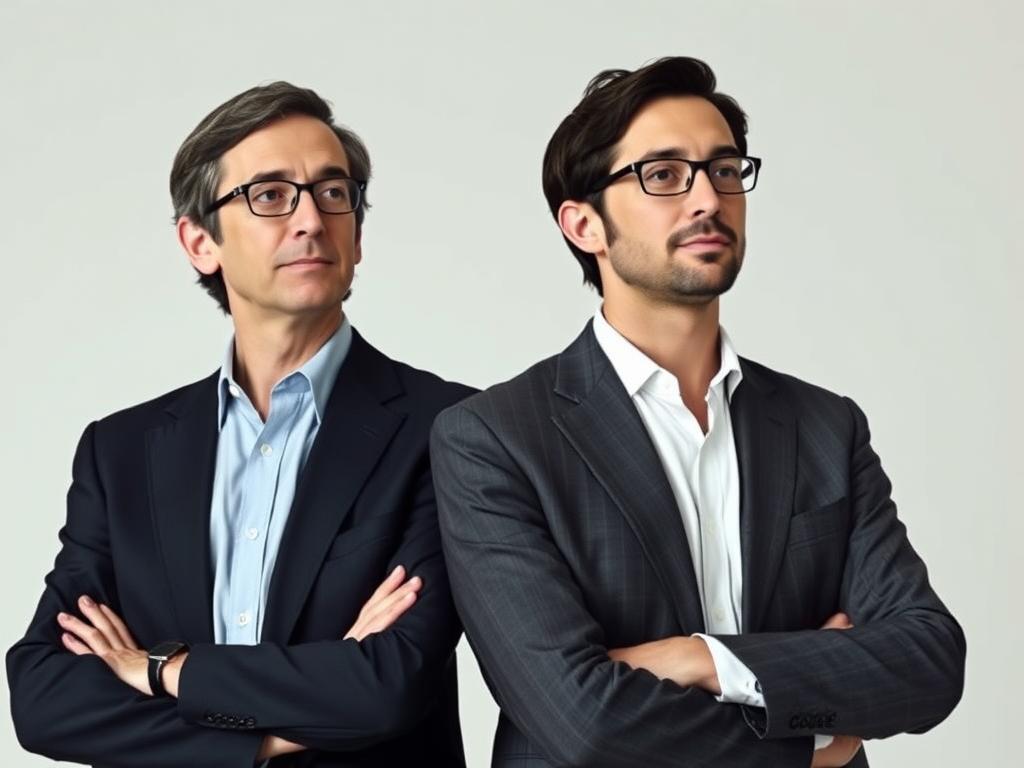
Larry Page and Sergey Brin’s partnership was strong. They respected each other and shared a vision for Google. Larry focused on engineering, and Sergey on business. This balance helped them face tech challenges and grow Google.
They kept their team open and creative. This culture helped Google stay ahead in a fast-changing world.
Breakthrough and Rapid Growth
Larry Page and Sergey Brin created PageRank, which was a game-changer for Google. It was more than an algorithm; it was a new way to rank web pages. This ranking was based on how relevant and authoritative a page was.
PageRank Revolution
The PageRank algorithm changed the search engine world. It made search results more accurate and relevant. Unlike others, PageRank looked at the web’s link structure to judge a page’s importance. This made Google’s results much better.
Venture Capital Investment
Page and Brin wanted to grow their search engine. So, they looked for venture capital investment. In 1999, they got $25 million from Sequoia Capital. This money helped them financially and brought in valuable advice and connections.
Scaling the Company
As more people used Google, the company grew fast. Scaling up was tough, from bettering infrastructure to finding more talent. Google’s ability to adapt and innovate was key to its success.
| Year | Event | Impact |
|---|---|---|
| 1998 | Google Founded | Initial search engine development |
| 1999 | Venture Capital Investment | $25 million funding secured |
| 2000 | Index Expansion | Google’s index grew to 1 billion pages |
Page and Brin managed their growth well and kept innovating. This helped Google become a top search engine. It also set the stage for Google’s growth into other tech areas.
Building the Google Empire
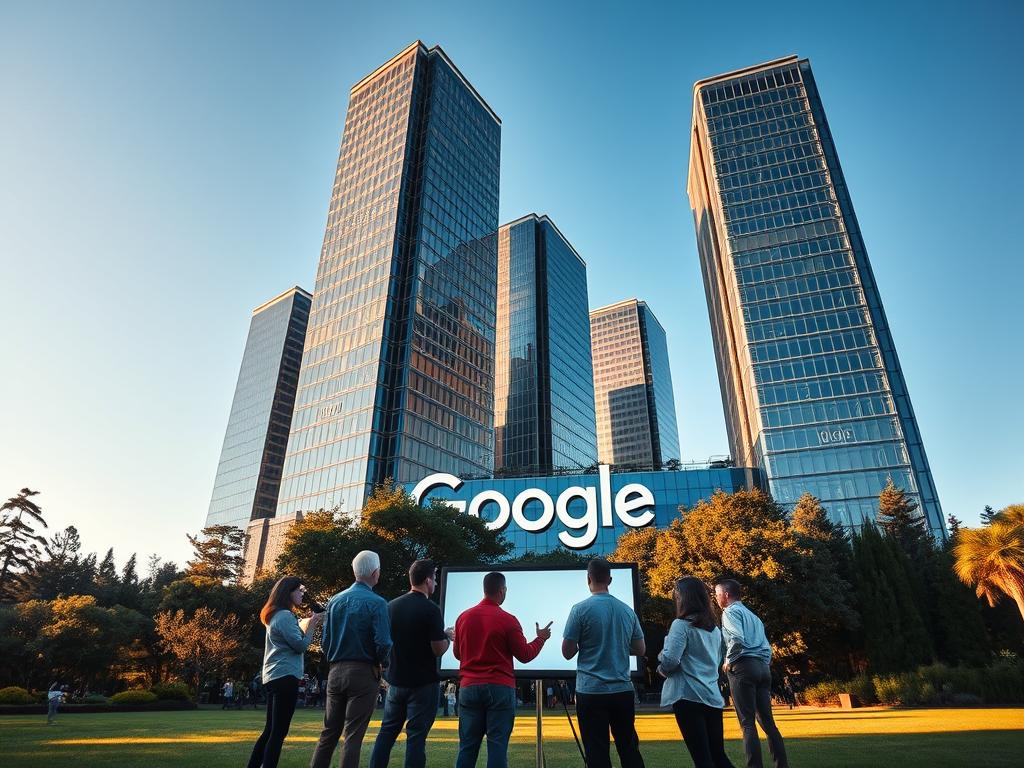
Larry Page and Sergey Brin started with a great search engine. They wanted to make Google a big tech company. They added new products, went public, and changed the company’s structure.
Beyond Search: Expanding Products
Google was a hit with its search engine. But Page and Brin wanted more. They launched:
- Gmail, a new email service with lots of space and an easy interface.
- Google Maps, changing how we explore places.
- Google Drive, for easy file storage and sharing.
- YouTube, bought in 2006, for sharing videos.
The IPO and “Don’t Be Evil”
In 2004, Google went public and did well. They chose “Don’t Be Evil” as their motto. It showed their commitment to being good and keeping a positive work culture.
This motto helped Google be seen as caring for users and doing the right thing.
Creating Alphabet Inc.
In 2015, Page and Brin made a big change. They created Alphabet Inc., a parent company for Google and others. This move helped:
- Google focus on its main business.
- Let other projects grow under Alphabet.
This change was smart for managing Google’s many projects and companies.
Leadership Transitions
Google has had many leaders over time. Larry Page took on different roles in Alphabet. Sundar Pichai became Google’s CEO in 2019. These changes helped guide Google’s growth and innovation.
Google keeps growing, and its history and founders’ vision are key to its future.
Innovation Philosophy and Company Culture
Google’s success comes from a unique innovation philosophy. This philosophy, started by Larry Page and Sergey Brin, values creativity, risk, and teamwork. It shapes the company’s culture and products.
20% Time Policy
The 20% time policy is a key part of Google’s innovation. It lets employees spend 20% of their time on side projects. This has led to hits like Gmail and Google Maps.
Data-Driven Decision Making
Google relies on data to make decisions. They use analytics for product development and marketing. This ensures decisions are based on facts, not guesses.
Moonshot Thinking
Larry Page and Sergey Brin push for moonshot thinking. They aim for big, ambitious goals. These projects aim to solve major problems and better people’s lives.
Creating a Unique Workplace
Google’s offices are designed for teamwork and creativity. They have gyms, game rooms, and free meals. This culture helps Google attract and keep top talent.
| Innovation Practice | Description | Impact |
|---|---|---|
| 20% Time Policy | Allowing employees to work on side projects | Development of successful products like Gmail |
| Data-Driven Decision Making | Using data analytics for decision making | Informed product development and marketing strategies |
| Moonshot Thinking | Setting ambitious, potentially groundbreaking goals | Potential to solve significant problems and improve lives |
In conclusion, Google’s innovation philosophy and culture are key to its success. By encouraging creativity, risk, and teamwork, Google leads in the tech world.
Legacy and Global Impact
Larry Page and Sergey Brin, the co-founders of Google, have changed how we find information. Their work has had a big impact on society.
Transforming Information Access
They made finding information easy for people all over the world. Google’s search engine lets us quickly find lots of information.
Their way of organizing information has changed education, research, and daily life. It has helped people learn, innovate, and make smart choices.

Philanthropy and Social Initiatives
Larry Page and Sergey Brin also care about giving back. Through Google.org, they work on big issues like climate change, poverty, and education.
Their giving has helped a lot. For example, their Google.org fellowship program supports new projects all over the world.
| Initiative | Description | Impact |
|---|---|---|
| Google.org | Philanthropic arm of Google | Addressing global challenges |
| Fellowship Program | Supports innovative projects | Global impact through technology |
| Climate Change Initiatives | Renewable energy and sustainability | Reducing carbon footprint |
Industry Influence and Awards
Larry Page and Sergey Brin have shaped the tech world beyond Google. They’ve won many awards for their tech and innovation work.
They’ve inspired many entrepreneurs and tech leaders. They’ve created a culture of new ideas and trying new things.
Future Vision for Technology
As tech keeps getting better, Larry Page and Sergey Brin are leading the way. They dream of advancements in AI, renewable energy, and more.
They keep pushing for new tech. Their leadership and investment in new tech will shape the future.
Entrepreneurial Lessons from Page and Brin
Entrepreneurs around the world can learn a lot from Larry Page and Sergey Brin, the founders of Google. Their story teaches us how to build a successful business through innovation and leadership.
Solve Problems That Matter
Page and Brin aimed to organize the world’s information. This goal was ambitious and meaningful. By tackling a big problem, they made a product that greatly impacted society.
Think Long-Term
They didn’t focus on quick profits but on a long-term vision. This mindset allowed them to invest in research and development. It led to many groundbreaking innovations.
Embrace Unconventional Ideas
Google’s success came from its openness to new ideas. Page and Brin’s willingness to try new things kept the company ahead.
Build Strong Partnerships
The partnership between Page and Brin was crucial for Google’s success. They worked well together, using each other’s strengths to their advantage.
Create Value Before Profit
At first, Google focused on making its users happy, not just making money. This approach built a loyal user base. It also led to financial success later on.
Foster a Culture of Innovation
Google’s culture encouraged innovation, thanks to its “20% time” policy. This policy allowed employees to explore new ideas. It led to the creation of many successful products.
Balance Ambition with Ethics
Page and Brin believed in balancing ambition with ethics. Google’s “Don’t be evil” mantra showed their commitment to ethical business practices.
By learning from Larry Page and Sergey Brin, businesses can promote innovation, leadership, and long-term success.
Conclusion
Larry Page and Sergey Brin have made a huge impact on the world. Their work has changed how we get information, making it a big part of our lives.
Starting at Stanford University, they grew into a global tech leader. Their story shows the power of new ideas and teamwork. They’ve inspired many to start their own businesses and innovate.
Their legacy will keep shaping technology and more for years. Their influence will be felt for a long time.